
Every few years the SEO industry finds a new three-letter word and decides everything has changed. In 2026 that word is AEO.
The noise is not imaginary. Google now uses the acronym itself: the guide to optimising for generative AI features it published on 15 May 2026 names AEO and GEO and says that, from Google's side, both are still SEO. Search Engine Land tracked 75 SEO thought leaders on LinkedIn through 2025 and found the terminology shifting with every news cycle. A new AEO tool or agency launches most weeks, and there is a lot of money chasing the term.
So the demand is real. The question worth answering, the one nobody selling an AEO course wants to sit with, is how much of this is new and how much is SEO wearing a fresh badge. We have been running AEO work across client sites for the better part of a year. Here is the honest version.
What answer engine optimization actually is
Answer engine optimization is the practice of structuring your content and your brand presence so that AI answer engines can understand it, trust it, and cite it. The answer engines we mean are ChatGPT, Perplexity, Google AI Overviews, Gemini and the growing list behind them.
That is the clean definition, and it is roughly what Forbes, Forrester, Semrush and every other guide currently ranking will tell you. The shift it describes is genuine. For 20 years the unit of victory in search was the click. You ranked, someone clicked, they landed on your page. AEO changes the unit of victory to the citation. The win is being the source the model quotes, whether or not anyone clicks through.
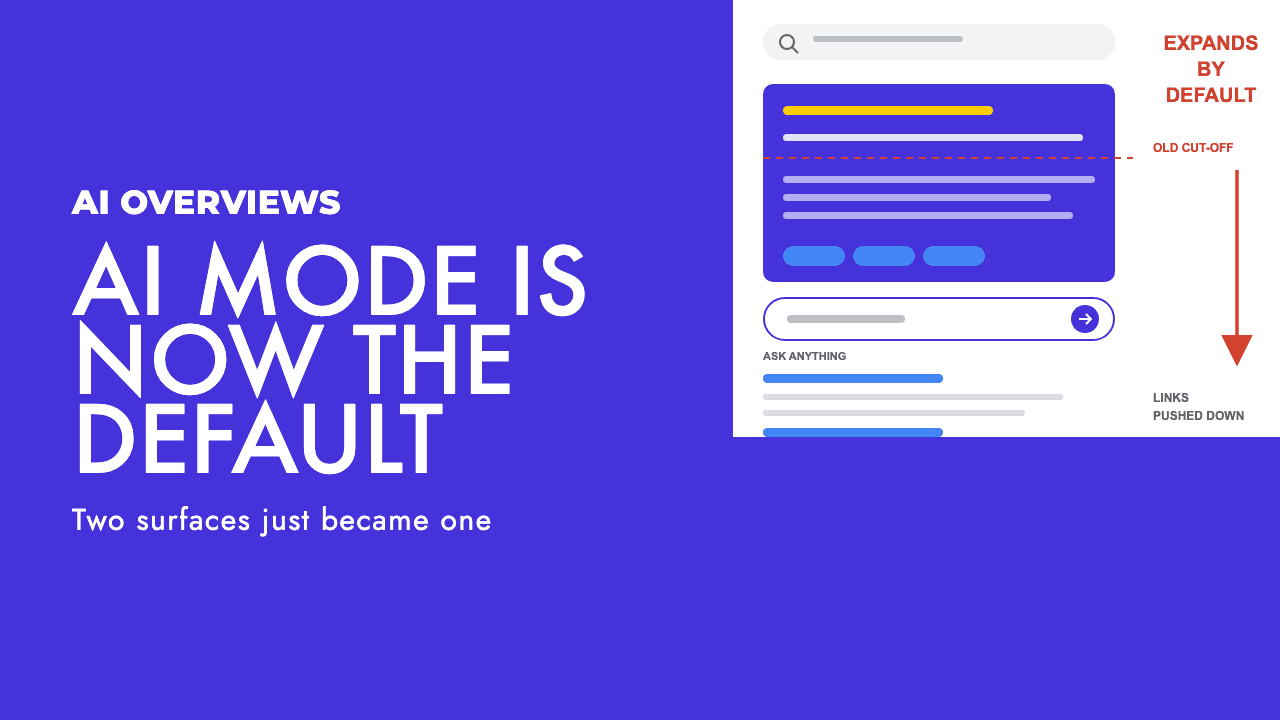
That single change explains most of what people are noticing. Impressions hold or climb while clicks flatten. The industry has a name for it now, the great decoupling, and if you have opened Search Console in the last six months you have probably felt it. The query gets answered before the user ever reaches a blue link, and we wrote up the pattern in the great decoupling.
Where AEO is just good SEO with a new label
Here is the part the hype skips. Most of what gets sold as "AEO strategy" is the SEO you should already be doing.
Google has been blunt about this. Its own guidance on AI features says there is no special markup, no secret setting, and no separate optimization track for AI Overviews. The advice is the same advice it has given for years. Make genuinely useful content, make it crawlable, make your expertise obvious, and earn trust. The May 2026 guide goes further and lists the things you do not need: AI text files, special markup, chunked content, or a rewrite "in a specific way just for generative AI search." We went through that list in our post on Google calling AEO and GEO still SEO. The same logic carries over to ChatGPT and Perplexity, which lean heavily on the open web and on sources they already see referenced widely.
When you read an AEO checklist closely, the bones are familiar:
- Clear, well-structured content. Headings that match real questions. A direct answer near the top. Short paragraphs a machine can lift cleanly.
- Strong entities and consistent naming. The model needs to know who you are and what you do without guessing.
- Technical health. Crawlable pages, fast rendering, no JavaScript walls between the bot and the words. This is technical SEO, not a new discipline.
- Authority and corroboration. You get cited when other trusted places already talk about you. That is link building and digital PR with a different end goal.
None of that is invented. It is the same machine you have always fed, pointed at a slightly different mouth. We made this argument when llms.txt became the file everyone shipped and nobody could prove was read, and it holds here. If you want the file anyway, our llms.txt file generator builds a spec-compliant one in a minute. New acronym, mostly old fundamentals.
What genuinely changed, and is worth doing
Saying AEO is "just SEO" and walking away would be lazy, though. A handful of habits do matter more now than they did three years ago, and we have tested enough to rank them by how much they actually move citations.
Answer first, then expand. Models reward content that states the answer plainly before the supporting detail. Lead a section with one or two sentences that fully answer the implied question, then go deep. This is the single biggest change we make on client pages, and it helps human readers too.
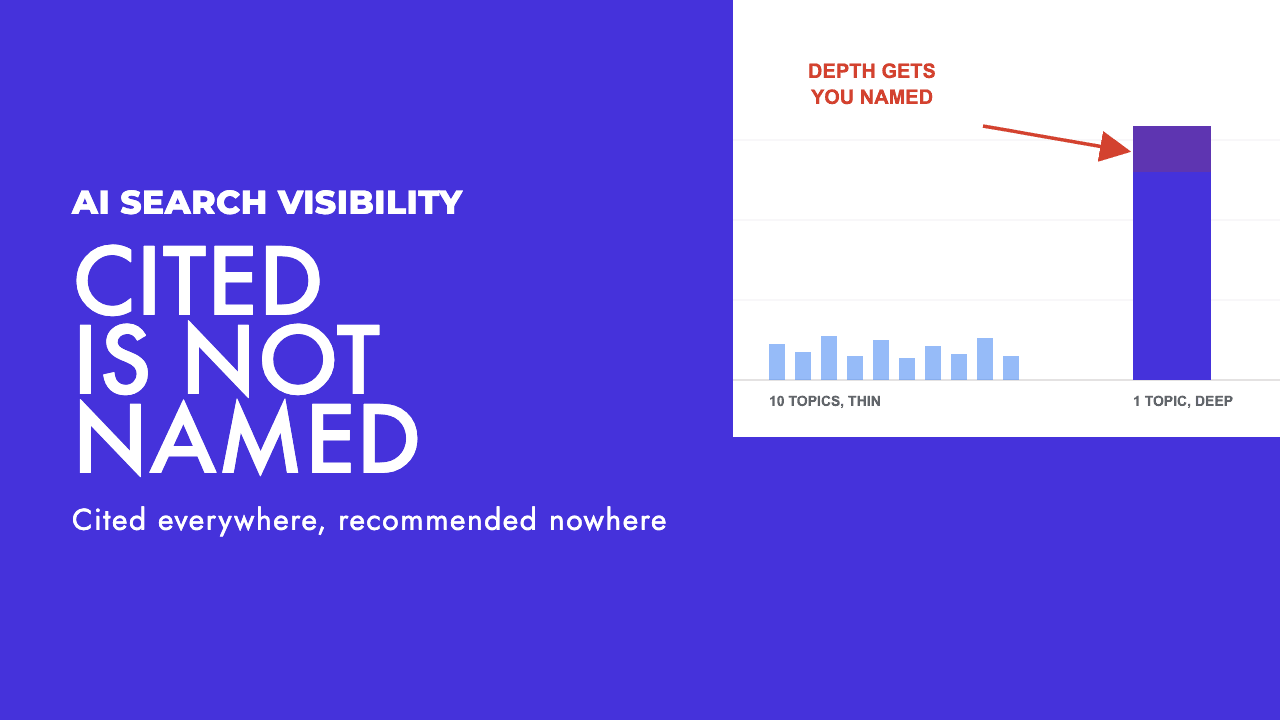
Be the source of something, not a summary of everyone. AI answers skip generic, high-school-definition content because the model already has that. Original data, a real case study, a number nobody else has published, a named example. That is what gets quoted. If your page reads like a paraphrase of the top three results, you have given the engine no reason to pick you over them.
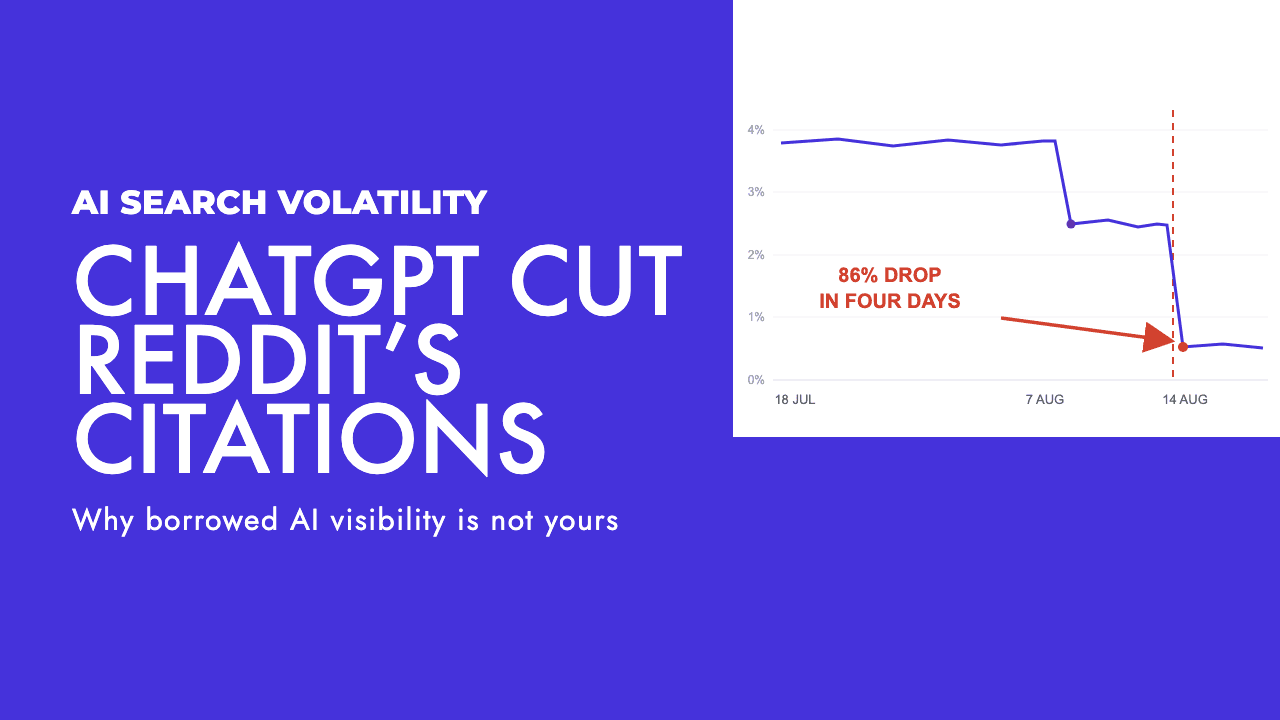
Earn mentions off your own site. This is the uncomfortable one for people who want AEO to be an on-page checklist. LLMs corroborate. They cite brands that show up across Reddit, industry publications, YouTube and credible third parties. The Reddit half of that is its own discipline, and our guide to Reddit SEO walks through it. A single brilliant page rarely wins on its own. Our work on AI search optimization leans hard into this, because it is where most of the real gap sits.
Keep the door open for AI crawlers. GPTBot, Google-Extended, PerplexityBot and the rest need access. We still find sites quietly blocking the exact crawlers they are trying to win, often by accident. We wrote a full guide to AI crawlers and robots.txt for this reason. Check yours with our robots.txt tester for AI crawlers before you spend a cent on anything else.
Signal freshness honestly. Clear dates, real updates, current figures. Not a fake "updated" stamp on stale copy, which both readers and increasingly the models can see through.
That is the list. Notice it fits on a postcard. Anyone selling you a 40-point AEO framework is padding.
Our honest take on the AEO gold rush
Now the opinion you came for.
The term answer engine optimization is useful as shorthand. The market that has sprung up around it is mostly noise. New "AEO agencies" and "AEO tools" are launching every week, and a large share are reselling the same five habits above with a premium price tag attached. The price tags are not a sign of a mature discipline. They are a sign of a land grab.
A few positions we will plant a flag on:
AEO without SEO is theater. If your site is slow, thin, or invisible to crawlers, no amount of "answer formatting" saves you. The agencies pitching AEO as a replacement for SEO are selling a roof with no house under it. The two are the same project. We argued the same thing about GEO, and the People Also Ask box on these queries is now full of "is SEO dead" panic that the data simply does not support.
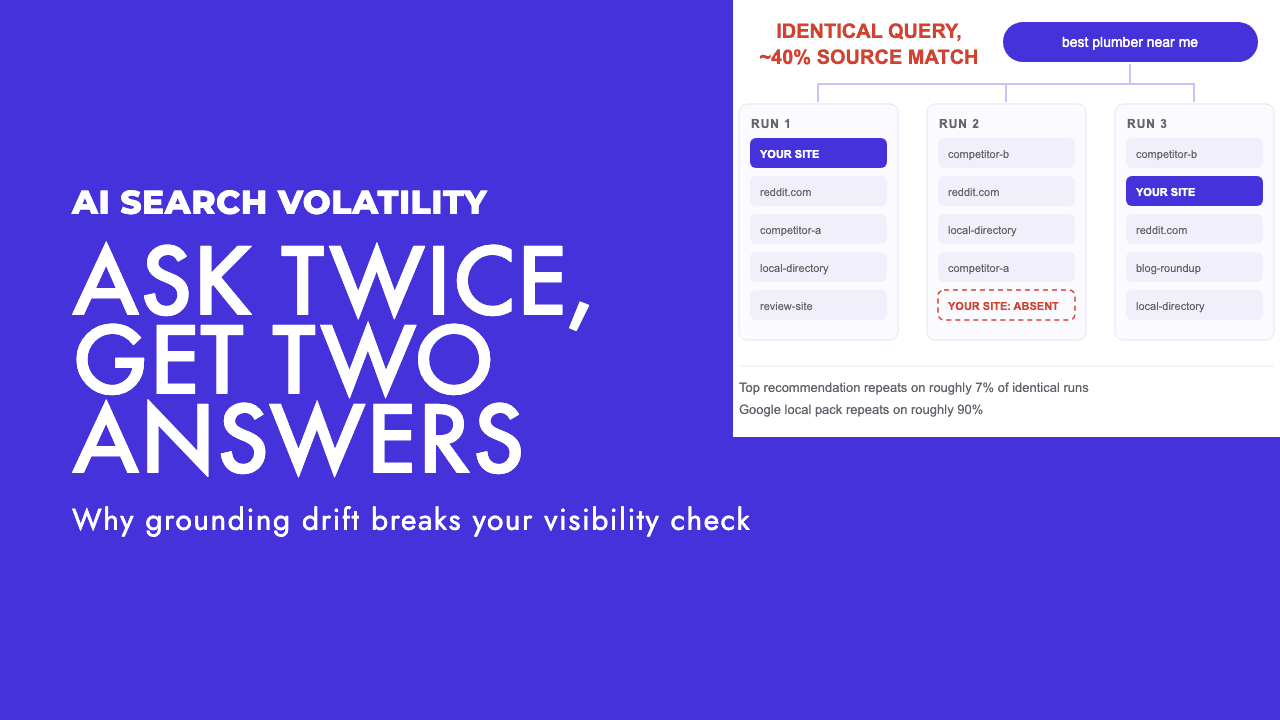
Measurement is still the weak link. You cannot manage what you cannot see, and tracking your presence inside AI answers remains messy. The tooling is improving fast but it is young. We tested a dozen of them in our Perplexity rank tracker comparison, and the honest summary is that you should track, but treat the numbers as directional, not gospel.
The acronym does not matter. The behaviour does. AEO, GEO, AI SEO, LLM SEO. People are arguing about labels for the same underlying work. Pick whichever word gets you budget approved and then go do the fundamentals well. We track where the search market is actually moving so we are not optimising for a platform that is losing share, and right now the smart move is breadth across Google's AI surfaces, ChatGPT and Perplexity rather than betting the farm on one.
The quiet opportunity for smaller markets
One angle the big US guides miss. AEO is asymmetric by market.
In a crowded, high-volume niche you are fighting Forbes, HubSpot and a hundred funded competitors for every citation. In a smaller market the corroboration bar is far lower, because fewer credible sources exist for the model to choose from. We see this clearly with clients in Cyprus and other compact markets. A business that publishes genuinely useful, well-structured content and earns a handful of solid local mentions can become the source an AI answer reaches for, simply because the field is thin.
If you operate in a market like that, the window is open now and it will not stay open. The same playbook that takes years to pay off in a saturated US vertical can land in months where competition is light.
Update, September 2026
Google has since said the same thing in a room full of SEOs. At Search Central Live Milan in June, the line from the stage was that forcing paragraph "chunking" for AI is useless and that content organisation should follow human readability (Search Engine Roundtable). That knocks out one of the most-sold AEO deliverables of the year, and we covered why in our post on content chunking for AI. Nothing on the postcard above has changed. If anything the list got shorter.
Where to start
If you want one move this week, it is this. Open Search Console, find the queries where impressions are healthy but clicks are sliding, and read what the AI answer is saying for those terms. That gap is your AEO brief. It tells you exactly where the engines are answering on your behalf and whether they are citing you or someone else.
From there the work is the work. Answer-first structure, original substance, technical health, and mentions you earn rather than buy. Same fundamentals, sharper aim.
If you would rather have us look at it, our free SEO review now covers AI answer visibility alongside the usual technical and content audit, or you can just get in touch and tell us where you are getting answered out of the results.
AEO is real. The hype around it mostly is not. Know the difference and you are already ahead of the agencies charging four figures to teach you to lead with the answer.