
Every few years the SEO industry finds a new thing to sell, and right now that thing is the AI citation. Get your brand named inside ChatGPT. Land in a Perplexity answer. Show up as a source in Google AI Overviews. There is now a small economy of services that promise to make that happen for a fee, and plenty of businesses in Cyprus and the US are being pitched on it.
In May 2026 Google looked at that economy and drew a line through the middle of it.
The short answer to "can you buy your way into AI citations" is now officially the same as the answer to "can you buy your way into rankings." You can pay people to try. Google has told you it counts as spam. We have watched this exact movie before with backlinks, and we know how it ends.
What Google actually changed
On 15 May 2026 Google updated its search spam policies to make something explicit that had been ambiguous. The definition of spam now reads that it covers "techniques used to deceive users or manipulate our Search systems into featuring content prominently, such as attempting to manipulate Search systems into ranking content highly or attempting to manipulate generative AI responses in Google Search" (Search Engine Land).
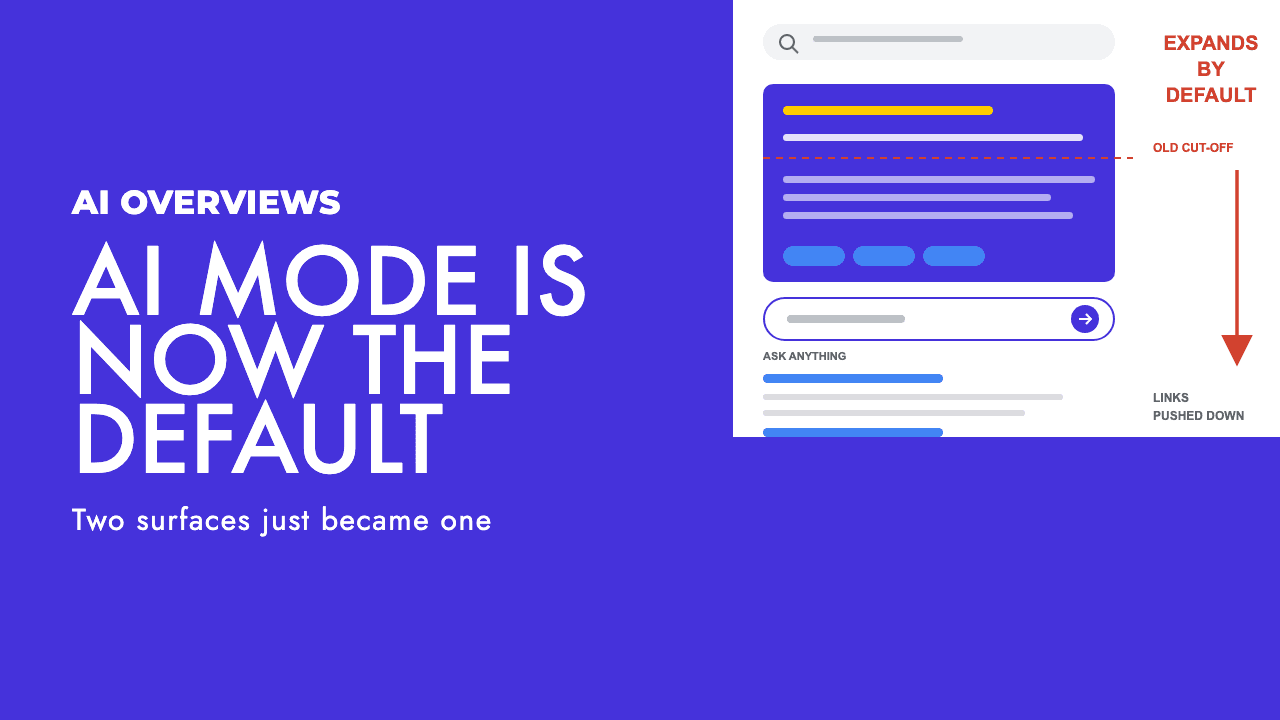
Read that last clause again. Manipulating generative AI responses is now named, in the policy, as spam. AI Overviews and AI Mode are no longer a grey zone where the old rules might not apply. They apply.
Google went further on the specific tactic everyone is selling. Its guide to optimising for generative AI features warns that seeking inauthentic mentions of your brand across blogs, forums and videos "isn't as helpful as it might seem" (PPC Land covered the change). Manufactured mentions, paid mentions, and reciprocal "I'll mention you if you mention me" arrangements are now in scope when they exist to manipulate what an AI surface says about you.
Why this is the paid-links era all over again
If you have been doing this long enough, the pattern is familiar to the point of being funny.
A new ranking signal appears. People work out what it is made of, in this case third-party mentions and citations. A market forms to manufacture that signal at scale. Google watches for a while, then formally classifies the manufactured version as spam and starts ignoring or penalising it. That is the entire story of paid links from roughly 2010 to the Penguin update in 2012, compressed and replayed. It is also why our link building work is built on earned placements rather than bought ones.
We are not the only ones making the comparison. SEO analyst Lily Ray drew the same Penguin parallel, suggesting the inauthentic-mentions rule will work the way Penguin did, by shifting from "how many signals do you have" to "what is the nature of those signals" (PPC Land). That is the tell. Volume-based tactics die when the system starts judging the signal instead of counting it.
Here is the uncomfortable part for anyone tempted. Google's systems do not need to penalise you to ruin the economics of buying citations. They only need to disregard them. Paid links did not stop existing after Penguin, they just stopped working, which is worse for the buyer because you keep paying and get nothing. The same fate is coming for paid AI mentions. You will buy a citation, the model or the surface will learn to discount that class of signal, and you will have funded your own disappointment.
The line that actually matters: ads versus manipulation
This is where we want to be precise, because there is a real distinction that gets blurred in the panic.
Paying for a clearly labelled ad inside an AI product is not spam. In February 2026 OpenAI started showing ads to ChatGPT's free and Go users in the US, with a commitment that they are labelled as sponsored, kept separate from the answer, and do not influence it (TechCrunch). That is advertising. It is disclosed, the user knows it is paid, and it sits next to the organic answer rather than pretending to be the organic answer. A labelled placement is an honest transaction.
Buying your way into the organic citations, the sources the model presents as its own neutral judgement, is the opposite. You are paying to make a recommendation look earned when it was bought. That is exactly the deception Google's policy now names. The difference between a ChatGPT ad and a purchased "inauthentic mention" is the difference between a billboard and a bribe.
Our take: spend on AI advertising if the numbers work for you, the same way you would weigh PPC against organic. Just do not confuse it with earning a place in the answer, and never pay a vendor to manufacture mentions that are dressed up as organic. That is the bet Google has now promised to break.
What actually earns AI citations
The good news is boring, which is usually how you know it is true. The thing that gets you cited in AI answers is the same thing that has always built durable visibility: being a genuinely recognised, trustworthy source that machines can read cleanly.
Be the source worth quoting. AI systems cite what they have learned to trust on a topic. That trust comes from real expertise, consistent presence, and being referenced by other credible sites because you earned it, not because you traded for it. This is the same logic that separates good backlinks from bought ones, now applied to mentions.
Make your facts extractable. A model can only cite what it can confidently lift from your page. Clear answers near the top of the section, defined terms, real named authors, schema markup on the things that matter. This is the core of answer engine optimisation, and it works across every surface at once.
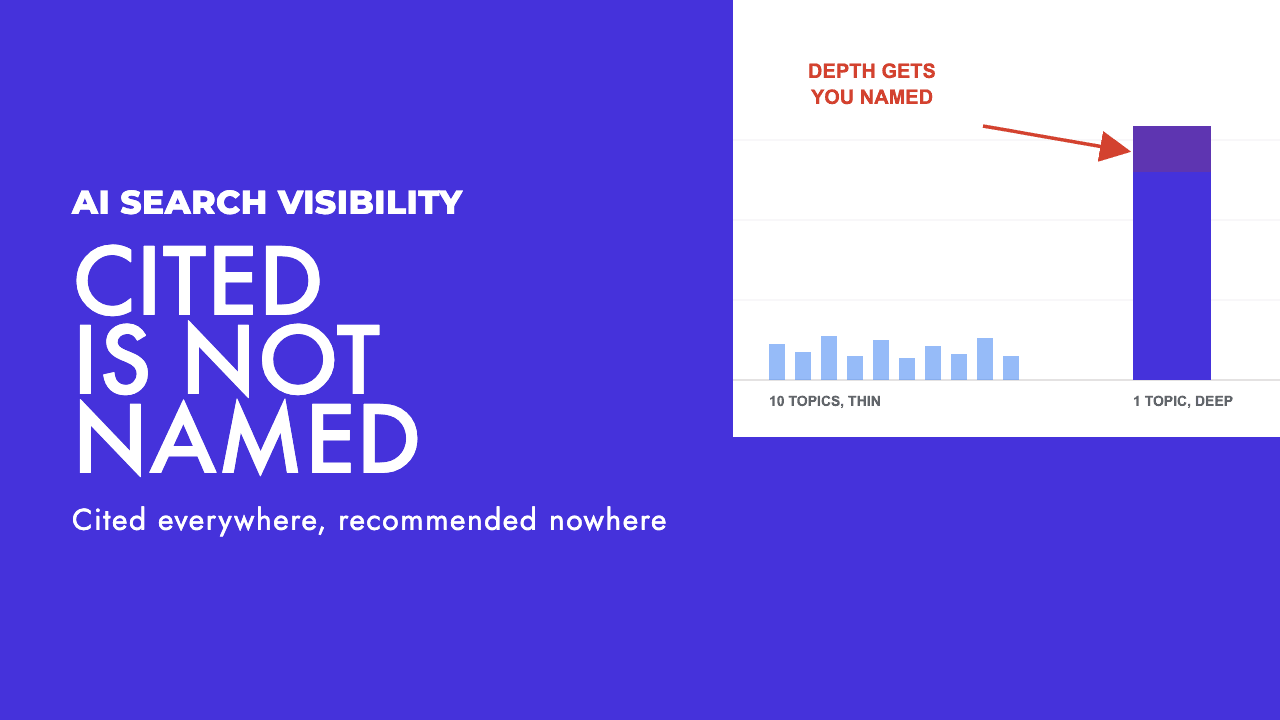
Build recognition across platforms, not citations on one. The brands that show up consistently in AI Mode and in Perplexity are the ones with a coherent reputation that compounds. Earned citations carry across ChatGPT, Gemini, Perplexity and Google for free. Bought ones, where they work at all, are a treadmill you have to keep paying to stay on.
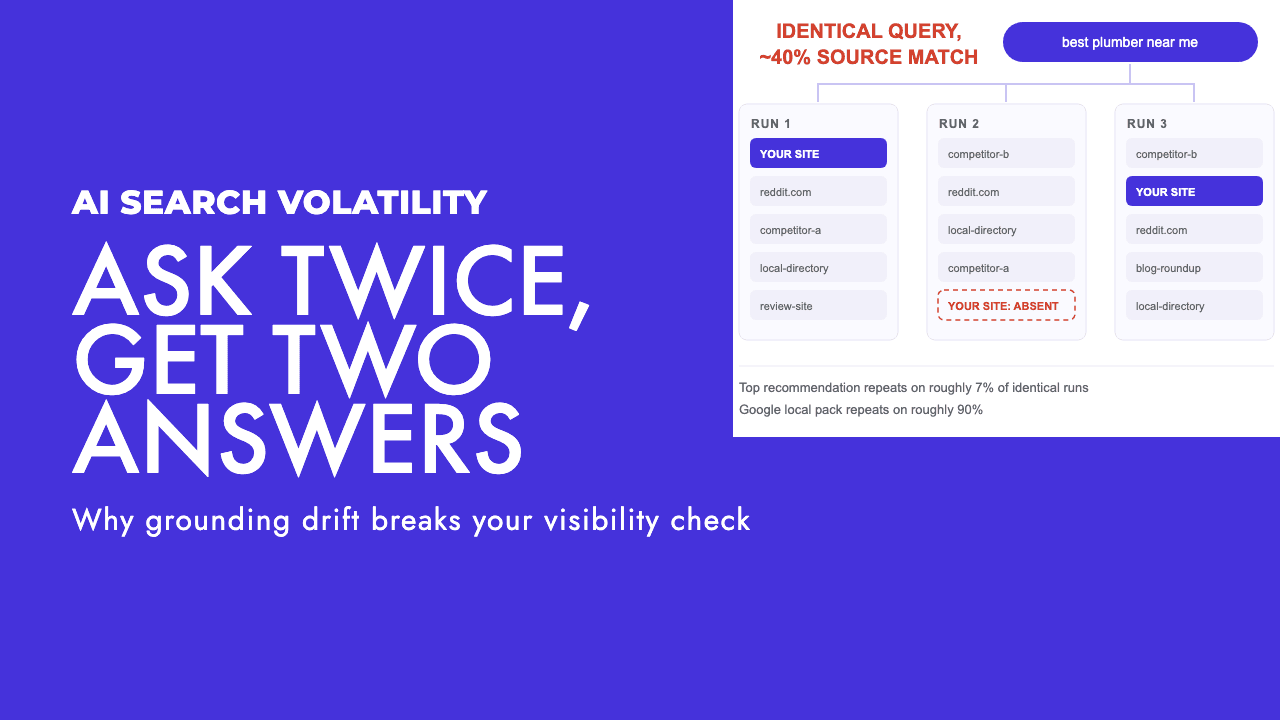
Measure it instead of guessing. You can now track whether you appear in AI answers without buying anything. We have written about what actually works for tracking AI visibility, and Google's own generative AI performance report in Search Console gives you a first view of AI Overviews and AI Mode impressions. Run any manual check more than once, because the same prompt cites different sources each time. Monitor the surface before you spend a cent trying to game it.
The bottom line
Google has told you, in policy, that manufacturing or buying your way into AI citations is spam. It does not have to penalise the tactic to kill it, it only has to ignore it, and history says that is precisely what will happen.
So when a vendor pitches you guaranteed mentions in ChatGPT or Perplexity, treat it the way you would treat a 2012 email offering a thousand backlinks for fifty dollars. The mechanism is new, the con is not.
The businesses that win the AI search era will be the ones that earned their place in the answer, the same way the businesses that survived Penguin were the ones who earned their links. If you want an honest read on how visible your site actually is to AI search, and whether you are building recognition or just being sold it, a free SEO review is the place to start. We work with companies through our Cyprus SEO agency and across the US on AI search optimisation that is built to last, not built to get caught.
Update, September 2026
Google ran its first spam update since the policy change on 18 August 2026. It applied globally and to all languages, Google said link spam was not part of it, and it did not say which techniques it targeted (Search Engine Roundtable). There is no public confirmation that manufactured AI mentions were in scope, so treat the policy as the warning and the update as the first opportunity to enforce it. We broke down what the August 2026 spam update actually hit.
On the advertising side, the labelled version keeps growing. ChatGPT ads expanded to Europe in August and to India on 27 August, with an ads manager for marketers due the following month (TechCrunch). Google announced its own sponsored formats inside AI Mode in May, still in testing and labelled as such (Google). The line in this post has not moved: paid and labelled is fine, paid and disguised as organic is spam.