
Ask the SEO industry whether GEO and SEO are different things and you will start a fight. Search Engine Land tracked 75 SEO thought leaders on LinkedIn through 2025 and found the loudest voices changed their position with the news cycle, and fewer than a third stayed consistent all year. Meanwhile Neil Patel, Semrush, and a dozen others are publishing head-to-head guides, and "AI visibility," a term almost nobody used eighteen months ago, is now a software category.
Nobody argues this hard, or publishes this many comparison guides, over a settled question.
We run both disciplines for clients every day, across finance, legal, igaming, and local service businesses. So here is the version without the turf war. What is genuinely different, where GEO is just good SEO wearing a new badge, and a simple way to decide where your money goes.
The one-sentence answer
GEO and SEO share most of the same engine, but they optimise for different finish lines. SEO optimises to get the click. GEO optimises to be the source the AI quotes, whether or not anyone clicks.
That is the whole thing. Everything below is detail on what that shift actually changes in the work, and, more usefully, what it does not.
What each one actually means
SEO (Search Engine Optimization) is the practice you already know. You make pages that rank in the blue links on Google and Bing, you earn the click, and the visitor lands on your site. The scoreboard is rankings, clicks, and the traffic that follows.
GEO (Generative Engine Optimization) is the practice of getting your content and your brand surfaced and cited inside AI answers. The engines that matter are ChatGPT, Google AI Mode and AI Overviews, Gemini, and Perplexity. The scoreboard is whether you get mentioned, how often, and whether the model recommends you.
Worth knowing where the term came from, because most of the LinkedIn arguing skips it. GEO was coined in a 2023 research paper, "GEO: Generative Engine Optimization" by Aggarwal and colleagues, later presented at KDD 2024. It was an academic framework for measuring how content visibility changes inside generative engines, not a marketing slogan. The slogan came afterwards.
Side by side
Here is the comparison the way we explain it to clients, stripped of the hype.
| SEO | GEO | |
|---|---|---|
| Goal | Rank and earn the click | Get cited and recommended in AI answers |
| Surface | Google and Bing results pages | ChatGPT, Gemini, Perplexity, AI Overviews, AI Mode |
| Unit of victory | A ranking position | A citation or mention |
| Core levers | Keywords, technical health, links, content quality | The same, plus clear passage-level answers and off-site brand mentions |
| How you measure it | Rankings, clicks, CTR, organic traffic | Share of voice in AI answers, citation frequency, referral traffic from AI tools |
| Timeframe to move | Weeks to months | Often faster to appear, far harder to attribute |
Look at the "core levers" row. That is the part the debate keeps tripping over. The inputs are almost identical. The measurement is where things genuinely split.
Where GEO is just good SEO with a new label
Let me be blunt, because the people selling GEO frameworks will not. Most of what wins in AI answers is the SEO you should already be doing.
Google has said this plainly in its own guidance on AI features. There is no special markup for AI Overviews, no secret setting, no separate optimisation track. The advice is the same advice it has given for years. Make useful content, keep it crawlable, show your expertise, earn trust. In May 2026 it went further and published an AI optimisation guide which says, in Google's own words, that optimising for generative AI search "is optimizing for the search experience, and thus still SEO." We went through that document line by line in our post on Google calling AEO and GEO still SEO. ChatGPT and Perplexity lean heavily on the open web too, and they cite sources that are already referenced widely.
When you read a GEO checklist closely, the bones are familiar SEO:
- Crawlable, fast pages. If the bot cannot read the page, nothing else matters. This is technical SEO, not a new field. The one twist is that you need AI crawlers like GPTBot and Google-Extended allowed in, and we still find sites quietly blocking them by accident. We wrote a full guide to AI crawlers and robots.txt on exactly that.
- Clear, well-structured content that answers real questions. Same thing that has worked for a decade.
- Authority and corroboration. You get cited when trusted places already talk about you. That is link building and digital PR pointed at a new goal.
We made this same argument when AEO became the acronym of the month, and again when everyone shipped an llms.txt file nobody could prove was read. New label, mostly old fundamentals. If your SEO house is a mess, GEO will not save you, because the two run on the same foundation.
What genuinely changed, and is worth doing
Saying "it is all just SEO" and walking off would be lazy, though. A handful of things matter more now than they did three years ago, and these are the parts we would actually put under the GEO heading.
Answer first, then expand. Generative engines reward passages that state the answer plainly before the supporting detail. Lead a section with one or two sentences that fully answer the implied question, then go deep. This is the single biggest change we make on client pages, and it helps human readers too. The Semrush GEO guide lands on the same conclusion, which is rare agreement in this space.
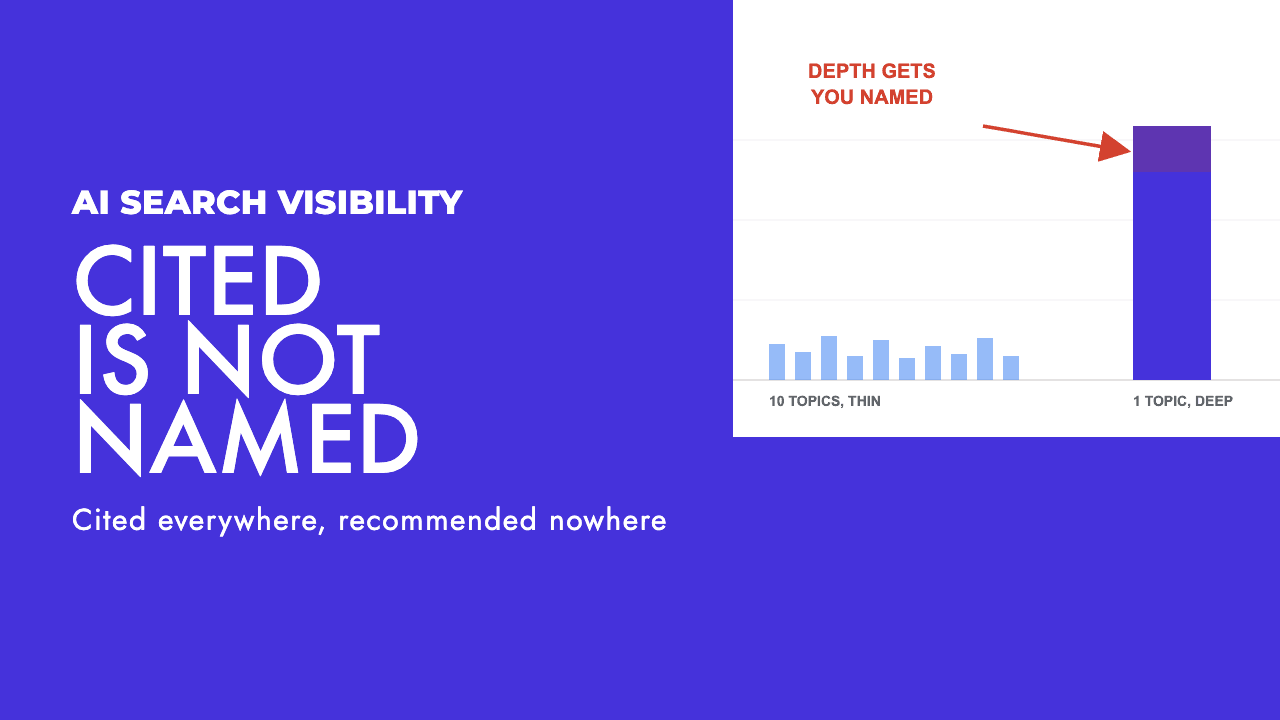
Be the source of something, not a summary of everyone. AI answers skip generic, dictionary-grade content because the model already has it. Original data, a real case study, a number nobody else has published. That is what gets quoted. If your page reads like a paraphrase of the top three results, you have given the engine no reason to pick you.
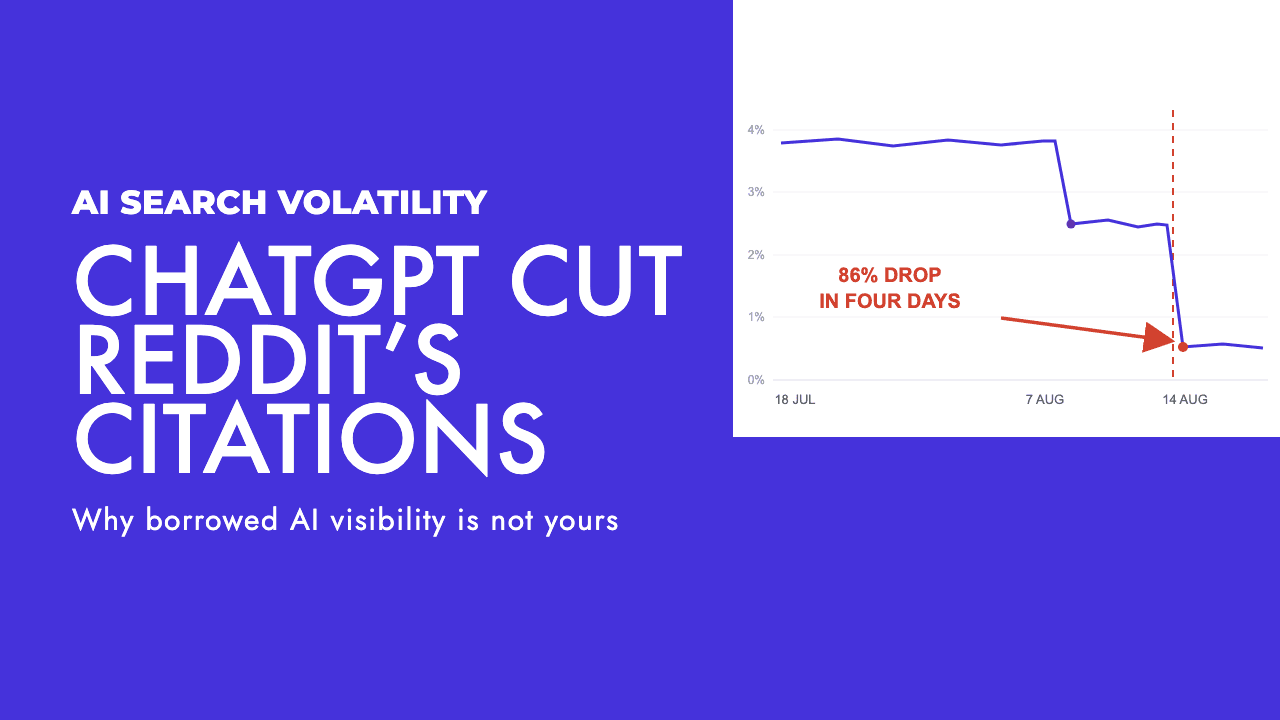
Earn mentions off your own site. This is the uncomfortable one for people who want GEO to be an on-page checklist. LLMs corroborate across sources. They cite brands that show up on Reddit, in industry publications, on YouTube, and across credible third parties. Reddit in particular pulls enough weight that we cover it separately in our guide to Reddit SEO. A single brilliant page rarely wins alone. Our AI search optimization work leans hard into this, because it is where most of the real gap sits, and it is closer to link building and digital PR than to anything new.
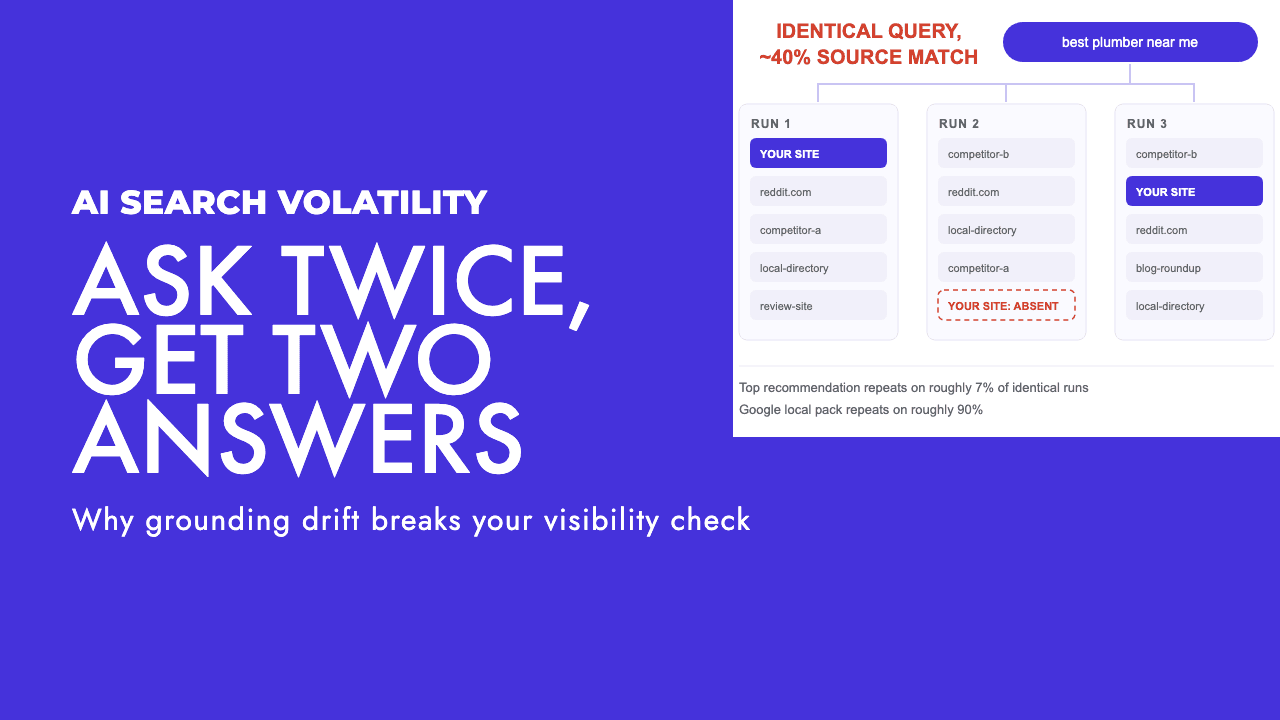
Measure differently, or you will fly blind. This is the real reason GEO needs its own name. You cannot manage AI visibility with a rank tracker built for blue links. Impressions hold or climb while clicks flatten, the pattern the industry now calls the great decoupling, and a classic SEO dashboard will read that as failure when it is often the opposite. You need to track citations and share of voice in the answers themselves. We cover the tooling side of this in our breakdown of what actually works for rank tracking in AI search, and the wider picture in our look at AI search engine market share.
So is GEO replacing SEO? No, and that is the wrong question
"People Also Ask" on this query literally surfaces "Is GEO replacing SEO?" The honest answer is no, and the framing is off.
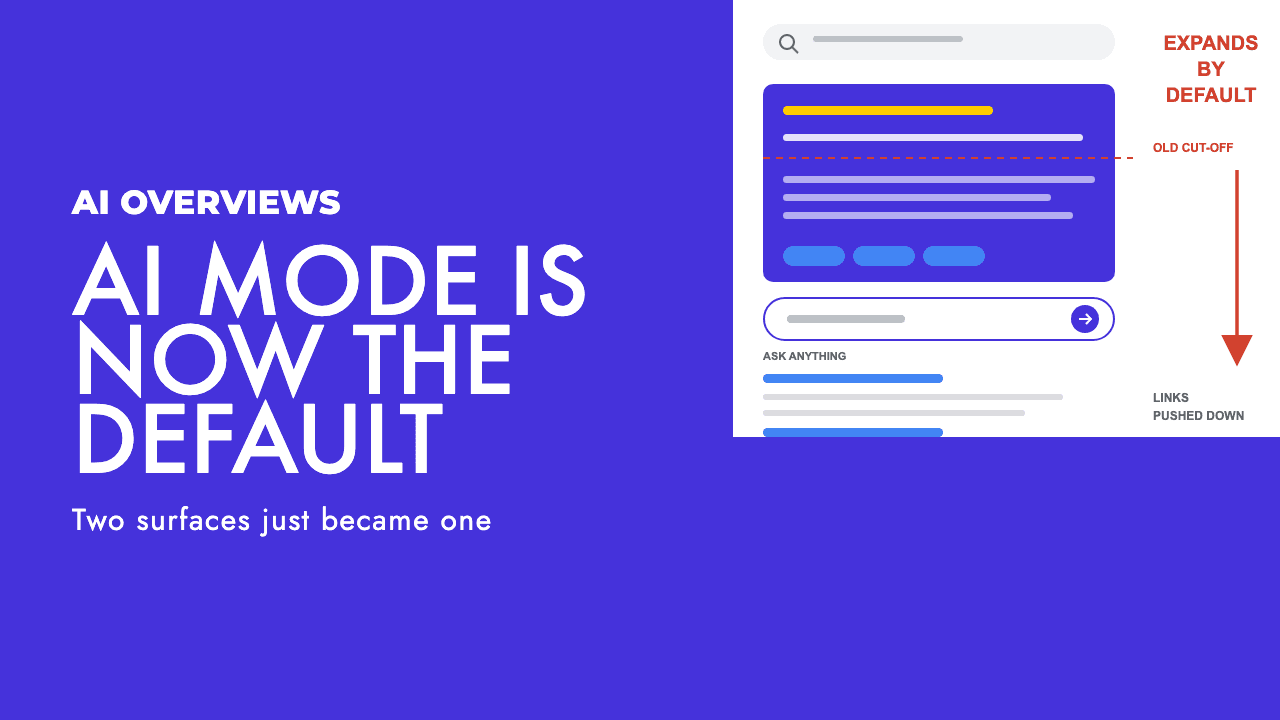
Here is the thing the debate keeps missing. AI engines are built on top of search, not instead of it. Google AI Mode runs a query fan-out behind the scenes and pulls from its own index. ChatGPT and Perplexity lean on live web results. The pages they cite are, overwhelmingly, pages that already rank. Strip out the SEO foundation and you have nothing for the GEO layer to stand on.
So GEO is not the successor to SEO. It is a layer on top of it. You do not get to skip the first job to do the second. Anyone telling you SEO is dead is either selling a course or has not opened a log file recently.
If you want the full tactical version of the GEO layer, we wrote a dedicated playbook for ranking in Google AI Mode. This piece is about the relationship between the two. That one is about the doing.
How to actually split your effort
The practical question is not "GEO or SEO." It is "how much of each, for my business." Here is the rough allocation we use as a starting point, then adjust per client.
- If you are a local business (a Cyprus law firm, a dentist, a trades company), keep the weight on SEO and local SEO. Maps, reviews, and Google Business Profile still drive the phone calls. GEO matters, but for a local query the AI answer often just surfaces the same local pack you already need to win. Get the fundamentals right first.
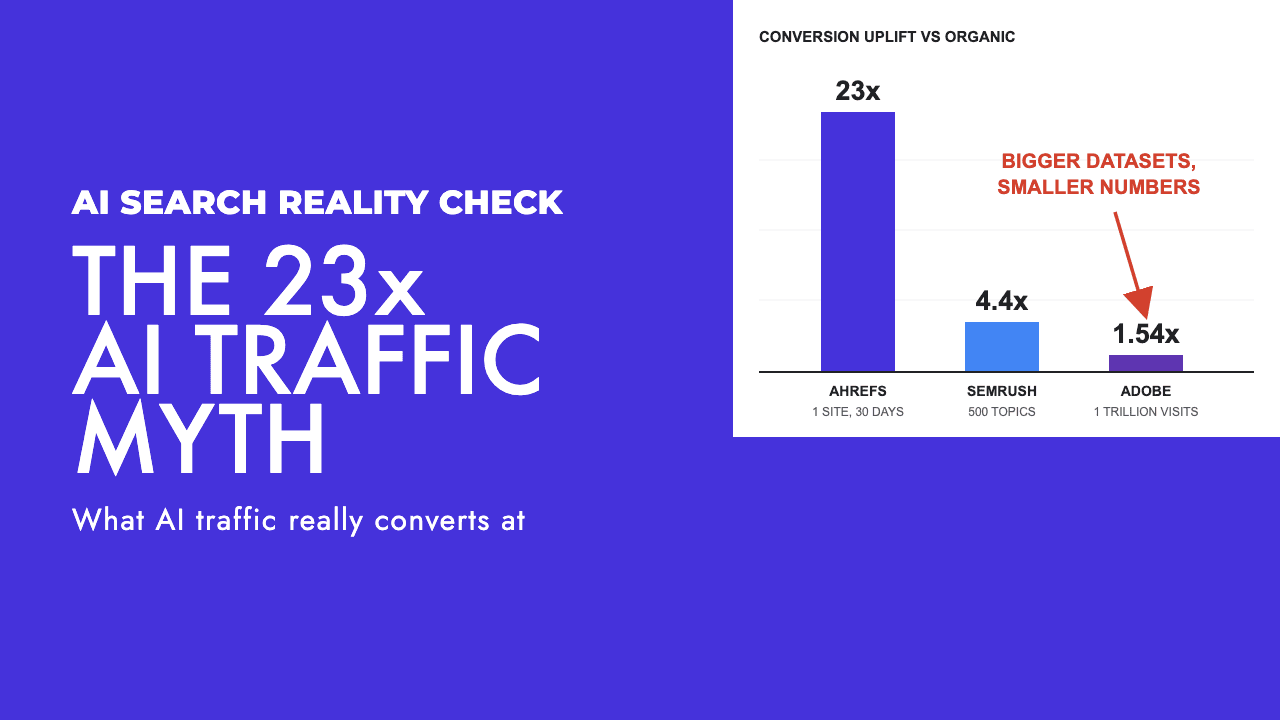
- If you sell to a research-heavy audience (B2B software, finance, insurance, crypto, anything with a long consideration phase), put real weight on GEO. These buyers ask ChatGPT and Perplexity for shortlists before they ever hit Google, and being the cited source there is genuine pipeline.
- If you are an ecommerce or content brand, run both hard. You need the rankings for transactional queries and the citations for the research queries that feed them.
For almost everyone, the honest split early on is something like 70 percent classic SEO, 30 percent GEO-specific work, because the SEO foundation is what makes the GEO work possible in the first place. As AI referral traffic grows for your specific audience, you shift the ratio. We have clients where it is still 80/20, and a couple of B2B accounts where it is closer to 50/50. Anyone quoting you a fixed number without looking at your traffic is guessing.
Update, September 2026
Google's guide did not settle the argument, it just moved it. In June, Andrew Holland argued on Search Engine Land that "it's just SEO" had become a meme that protects the existing hierarchy of speakers and consultants rather than a description of the work. In August, Carrie Rose of Rise at Seven wrote that the industry "look[s] stupid" fighting over the label and that the real problem is asking the wrong question, with "new acronym = new budget line = new pitch" as the honest motive on both sides (Rise at Seven). We agree with the second half of that. The work has not changed since June: what has changed is that the measurement gap is now easier to see, and we cover why citations and recommendations move on different signals in our post on AI citations versus recommendations.
The bottom line
GEO and SEO are not rivals, and the LinkedIn war over which word wins is, frankly, a waste of everyone's time. They are two finish lines served by mostly the same engine. SEO gets you the click. GEO gets you the citation. The content quality, technical health, and off-site authority that power one are the same things that power the other.
Do the SEO. Add the GEO layer on top, weighted to how your specific audience actually searches. Measure both properly, because the old dashboard will lie to you about the new surface. That is the entire strategy, and it fits on a postcard.
If you want a straight answer on where your own site sits across both, that is exactly what we do. Grab a free SEO review and we will tell you which layer is leaking and what to fix first.